Understanding What “Cost” Really Includes
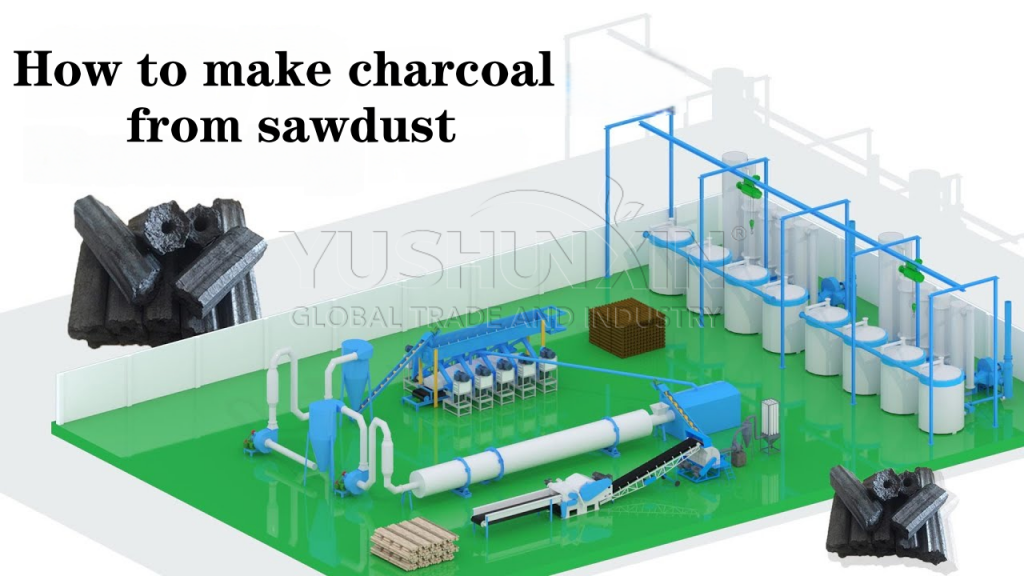
The cost of setting up a charcoal briquette production line depends on more than just buying a briquette press. A complete line usually includes raw material handling, crushing and screening, mixing with binder, briquetting, drying, cooling, and packaging. Your final budget is shaped by plant capacity (for example, 1–2 tons/day versus 20–30 tons/day), local electricity and fuel prices, labor costs, and the quality standards you want to meet for export or premium retail markets.
Core Equipment Costs in a Typical Line
The biggest expense is often the briquetting system itself. A small production line using a basic roller press or screw extruder can be relatively affordable, while a higher-capacity hydraulic or industrial roller press line can cost much more. In addition to the press, you’ll usually need a crusher or hammer mill (to size charcoal fines consistently), a mixer (to blend water and binder evenly), and a conveyor system to move material between steps. If you aim for stable output and low rejects, screening equipment and a simple dust collection setup are also important, especially when handling fine charcoal powder.
Drying and Energy: The Hidden Budget Driver
Drying is often the most underestimated cost category. If your briquettes need to reach low moisture for storage and clean burning, you may need a belt dryer, tunnel dryer, or rotary dryer—plus a burner, heat exchanger, and fans. The dryer’s fuel consumption can quickly become a major operating expense, so some plants reduce costs by using waste heat from carbonization kilns or biomass boilers. If you are in a humid climate, you may also need a larger drying area or longer drying time, which increases building and energy requirements.
Buildings, Utilities, and Installation
Beyond machines, you’ll pay for foundations, electrical wiring, control panels, piping (if steam or hot air is used), and safety equipment. Installation and commissioning costs can be significant, particularly if you import equipment and need local fabrication for platforms, ducts, or custom conveyors. Space planning matters too: a compact line may fit into a small workshop, while a higher-throughput setup might require an industrial shed with proper ventilation, fire protection, and dedicated storage zones for charcoal fines and finished briquettes.
Typical Budget Ranges (Very Approximate)
A small semi-manual line can start in the tens of thousands of USD, especially if you use simple drying methods and basic packaging. A medium-capacity semi-automatic line commonly falls into the low-to-mid six figures, particularly if it includes a reliable hot-air dryer. Fully automatic, high-capacity lines with advanced controls, dust management, and high-efficiency dryers can reach several hundred thousand USD or more. The best way to estimate accurately is to define your target daily output, briquette shape, binder type, moisture targets, and available heat sources—then request itemized quotations and calculate operating costs alongside the initial investment. Visiting: https://www.char-molder.com/product/charcoal-briquette-machine-price/
Leave a Reply