Author: John
-
How large is the continuous carbonization market opportunity for industrial companies?
Industrial companies face rising disposal costs for wood waste, rice husk, palm shell and other biomass residue, and a continuous carbonization plant converts that cost into charcoal, biochar and usable gas, so you, as an industrial investor or as a plant manager, evaluate the market before committing capital. The carbonization gas power generation system allows…
-
How much does it cost to build a continuous carbonization production line in 2026?
A continuous carbonization line includes more equipment than a single furnace, and the budget must cover the dryer, the reactor, the gas train, the cooling conveyor, the briquetting section and the packing unit, so you, as a project investor or as a recycling company manager, build the budget from the process flow rather than from…
-
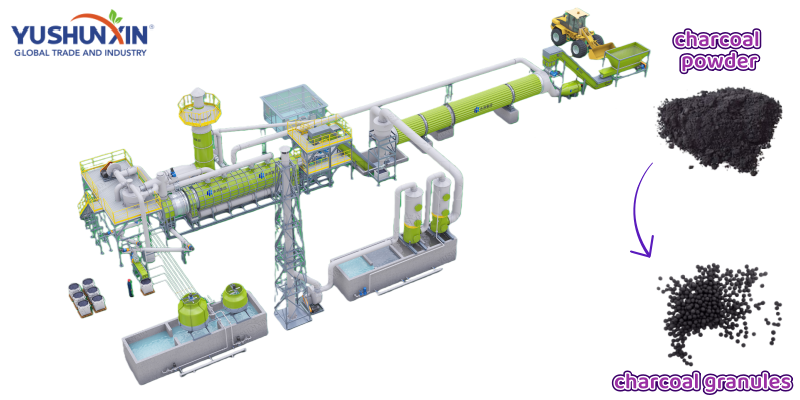
Which technology makes a biochar production solution more efficient to operate?
Biochar projects earn money from the product and from the verified removal unit, and both incomes depend on a plant that runs at a stable temperature with a predictable output, so you, as a project developer or as a plant manager, focus on operating efficiency rather than on capacity alone. Carbon removal biochar production starts…
-
How do social and financial returns compare in a public carbon credit project?
Public bodies that finance a carbon project answer to two audiences, because the treasurer examines the cash flow while the council examines the local benefit, and you, as a programme manager or as a development finance analyst, present both results in one document. A biochar carbon credit project combines carbon removal revenue with agricultural residue…
-
What ROI can project investors expect from a continuous carbonization furnace?
A carbonization furnace earns money through three outputs, and that combination is what makes the return attractive, so you, as a project investor or as an industrial company manager, evaluate all three before approving the budget. A continuous carbonization furnace roi analysis records the charcoal or biochar output, the surplus gas and the heat that…
-
What preparation is needed before a turnkey syngas utilization project starts?
A turnkey syngas project moves design responsibility to the supplier, and that transfer changes the preparation work that you, as a plant owner or as an industrial investor, must complete before mobilisation. Syngas utilization from biomass carbonization connects a gas producer to a burner, a boiler or a generator set, so the fuel specification, the…
-
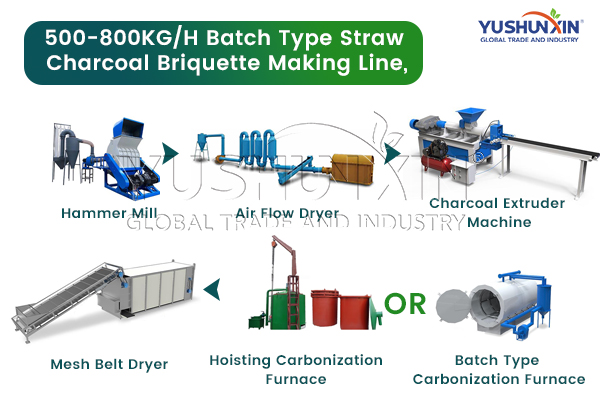
Which technology makes a biomass carbonization plant more efficient to operate?
Two plants with the same reactor size can produce very different margins, because the way the technology controls drying, feeding and heat recovery decides the energy that each tonne consumes, and you, as a plant manager or as an industrial investor, compare that consumption before the equipment order. A biomass carbonization plant technology package includes…
-
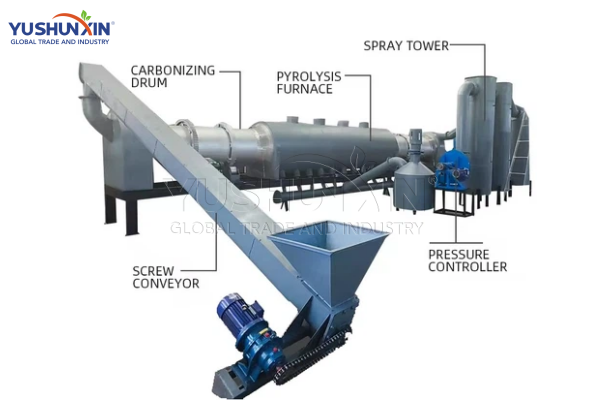
How does environmental compliance affect the value of a biomass power generation plant?
A biomass power plant lives inside an emission envelope, and you, as a project investor or as an industrial plant owner, measure that envelope through the permit conditions that define fuel quality, flue gas treatment and operating hours. The biomass power generation plant emission standards decide which gas cleaning equipment the site installs and how…
-
Which procurement model fits a turnkey waste heat recovery project?
Procurement decides how quickly a heat recovery loop starts saving fuel, and you, as a project investor or as an engineering manager, choose the contract model that matches your team and your risk appetite. A turnkey waste heat recovery project procurement model assigns design, supply, installation and commissioning to one supplier, so the interface risk…
-
What makes a biomass carbonization plant a profitable solution for recycling companies?
Recycling companies already move large volumes of organic material through their yards, and that material often leaves the site with little or no processing. A biomass carbonization plant design adds a conversion step that turns residue into charcoal, biochar and recoverable heat. You, as a recycling company owner or as a project investor, evaluate that…