Rice husk to charcoal briquettes is a popular business model because the raw material is widely available, often inexpensive, and sometimes treated as a disposal problem. Converting husks into charcoal briquettes can turn low-density agricultural waste into a higher-value fuel that is easier to store, transport, and sell. For many small and medium producers, the real question isn’t only whether the product will sell—it’s how fast the project can pay for itself once equipment, labor, and operating costs are added up.
The Biggest Factors That Decide Payback Time
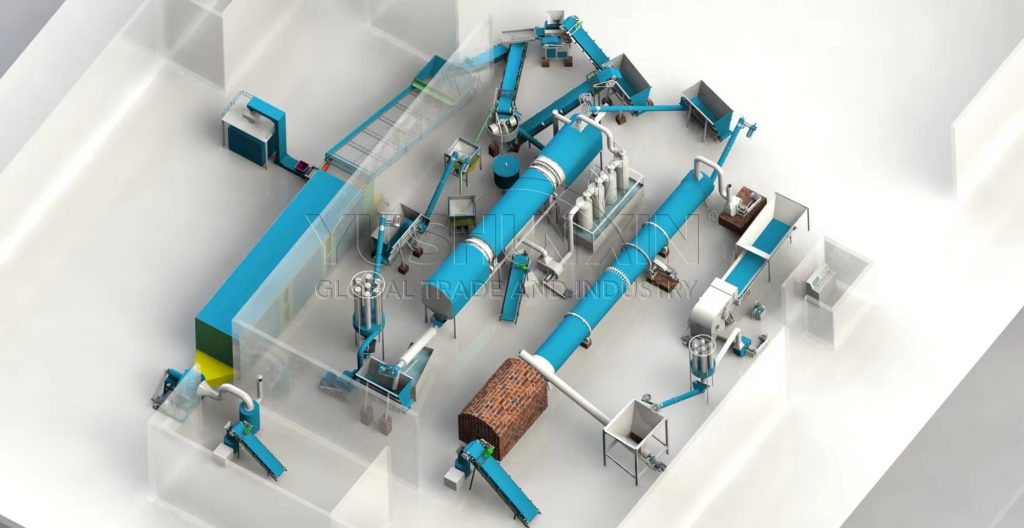
Investment recovery depends on a few core variables: your total capital cost, production volume, gross margin per ton, and sales stability. Capital cost includes continuous carbonization equipment (kiln or furnace), briquette press, crusher, mixer, dryer (if needed), conveyors, and packaging tools. If you purchase a higher-capacity, more automated line, your initial spending rises, but you may reduce labor and increase consistency—often improving profitability if demand is strong. On the other hand, a low-cost setup can recover quickly in theory, but frequent downtime, uneven quality, or high maintenance can stretch the payback period.
Production Costs: What You Must Calculate Honestly
Operating cost is usually where payback estimates become unrealistic. Key items include electricity or diesel, binder (such as starch or molasses), water, spare parts, and labor. Drying is a major cost driver: if your husk char or mixed briquettes contain too much moisture, you’ll need more heat and time to reach a sellable product. Transport costs also matter because rice husk is bulky before processing, and customers may demand delivered pricing. A plant located near rice mills and close to end users can recover investment much faster than one paying high inbound and outbound logistics.
Revenue: Product Quality and Market Channel Matter
Briquette price varies by region, packaging, and customer type. Bulk industrial buyers often pay less per ton but purchase consistently, while retail or restaurant channels may pay more for clean, uniform briquettes with low smoke and good burning time. Quality directly affects repeat sales: strong briquettes with low ash and consistent size reduce breakage and complaints. If your process produces stable charcoal quality and you can secure contracts, the cash flow becomes more predictable—shortening the time needed to recover the initial investment.
Typical Payback Expectations (And How to Speed Them Up)
Many producers aim for investment recovery within roughly 1–3 years, but the real number depends on margins and utilization. Running one shift with irregular orders can double the payback time compared with steady two-shift operation. To recover faster, focus on securing feedstock agreements, minimizing moisture with efficient drying, reducing binder usage through better mixing and pressure control, and selling through channels that reward higher quality. The fastest payback usually comes from a balanced approach: reliable equipment, stable supply, and customers who value consistent performance. Visiting: https://www.char-molder.com/2024/07/08/how-to-produce-rice-husk-charcoal-briquette-in-japan/
Leave a Reply