Two plants with the same reactor size can produce very different margins, because the way the technology controls drying, feeding and heat recovery decides the energy that each tonne consumes, and you, as a plant manager or as an industrial investor, compare that consumption before the equipment order. A biomass carbonization plant technology package includes the continuous furnace, the gas train, the cooling section and the control logic that keeps the process stable. The biomass carbonization plant technology that your team selects also defines the maintenance load that the operating crew carries each month.
Which technology features reduce energy consumption?
A sealed feeding system with variable speed control matches the feed rate to the reaction, and that match avoids the excess air that wastes heat. A multi zone furnace with independent temperature control keeps the reaction inside the designed window, and that stability raises the yield of solid carbon. Insulation of the reactor shell and of the hot duct reduces the radiation loss that appears in older designs. Your engineers measure the specific energy per tonne during the performance test, and that measurement becomes the reference for daily operation.
How does process control improve daily operation?
Continuous measurement of temperature, pressure and gas flow allows the control system to adjust the burner without operator intervention. A carbonization plant operating efficiency technology review also defines the alarm limits for each parameter, and those limits protect the equipment when the feedstock changes. The control system logs the shift data, and that record shows the trend that leads to a maintenance action. Trained operators then work with the data instead of reacting to the noise of the plant.
Which equipment combination raises output value?
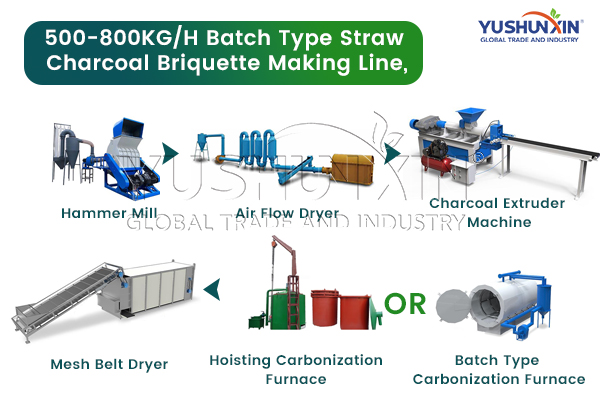
A rotary dryer before the furnace standardises moisture, and that standardisation improves both the reaction and the quality of the char. A screening section separates fines from lumps, and that separation allows the plant to serve two markets at once. A briquette line integration with carbonization turns the fines into a densified product with a higher price per tonne. Your commercial team then sells the full range that the plant produces.
How do you validate efficiency before the purchase?
The supplier provides the energy balance, the mass balance and the guaranteed output for a defined feedstock. Your team requests reference data from a plant that runs on similar biomass, and that data shows whether the guarantee holds in practice. A biomass carbonization process control technology demonstration during the acceptance test confirms the consumption per tonne and the quality of the product. The contract then links the final payment to those measured results.
Conclusion for plant managers and industrial investors
Efficiency in a carbonization plant comes from the interaction of feeding, temperature control and heat recovery rather than from one machine alone. A biomass carbonization technology integrator that supplies the furnace, the gas train, the briquette section and the control logic as one package reduces the interface loss between stages. Good process control also gives the operator the data needed to keep the plant inside its design envelope. If your team needs a reference for the configuration and the efficiency figures, you can learn more about https://www.char-molder.com/product/continuous-carbonization-furnace/ before the next evaluation.