A biochar production solution project moves from the feedstock study to the first tonne of char through design, procurement, erection and commissioning, and the EPC contractor owns that sequence. You, as an EPC contractor or as a project developer, examine the biochar production solution project scope before the contract is signed. The work breakdown structure then gives each package one owner and one date.
Which packages form the project?
The drying section, the reactor, the cooling and screening unit, the packing line and the civil works form the five packages that the contractor manages. A delivery schedule for a biochar production project places the reactor on the critical path, because its fabrication takes the longest. You freeze the capacity and the feedstock before the order, and that freeze prevents a late change. The procurement then follows the approved design.
How does the contractor control the schedule?
A weekly look-ahead plan and a three-week material forecast show the delivery that threatens the critical path, and that warning gives the project office time to react. An EPC schedule for a biochar plant also reserves the crane window and the laydown area, because a busy site loses days during the erection. You measure the progress against the baseline, and the difference shows the float that remains. The contractor then reports the status with evidence.
How does the furnace delivery affect the date?
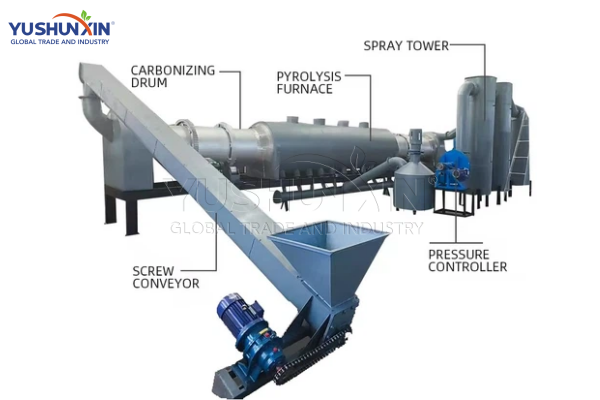
A continuous furnace that arrives with its control cabinet and its instrumentation reduces the erection time, because the unit connects without a hunting for missing parts. A continuous furnace delivery schedule review confirms the shipping date and the customs clearance, because an imported unit often waits at the port. You keep a two-week buffer for that clearance, and that buffer protects the handover. The commissioning then follows the mechanical completion.
How does commissioning close the project?
The cold test verifies the wiring, the seals and the rotation of the screw, and the hot test proves the yield with the real feedstock. You reserve the feedstock for the test, because a plant without material cannot demonstrate its capacity. The operator training happens in the same window, and that training removes the delay of a trial-and-error start. The handover certificate then carries a measured result.
Conclusion for EPC contractors and project developers
A biochar project reaches its date when the packages, the critical path and the commissioning plan follow one programme with one owner for each interface. A biochar project delivery advisors team that supplies the work breakdown, the schedule and the test protocol helps the contractor keep the promise. The demand for char keeps the plant valuable, and a project that starts on time captures the first season of sales. If your team needs a reference for the line configuration and the delivery scope, you can learn more about https://www.ysxcharpro.com/product/palm-charcoal-production-line/ before the next steering committee. The same programme also supports the monthly report to the lender, and that report keeps the financing on schedule. The lender sees the same evidence. That evidence also supports the final payment.