The carbon credit solution market opportunity for an industrial company depends on the carbon price, on the volume of removal units that the company can generate and on the cost of the process that produces them. You, as an industrial company manager or as a project developer, examine the carbon credit solution market opportunity before the equipment order. The opportunity is real when the cost per tonne stays below the price of the credit.
Which factors define the market size?
The residue volume, the carbon content of the product and the price of the credit define the income that the project can generate. A market opportunity for carbon credit solutions review also examines the registration standard, because a method that the buyer does not accept produces no revenue. You calculate the units per tonne of char, and that figure shows the potential of the plant. The market assessment then rests on the standard.
How does the carbon price change the result?
A higher carbon price improves the return, but the project must still work at a lower price. The carbon removal market demand grows with the climate commitments of the industrial buyers, and that demand supports the price over time. You test a low price scenario, because that case defines the downside. The project that survives the low case carries a defensible plan.
How does the product support the market case?
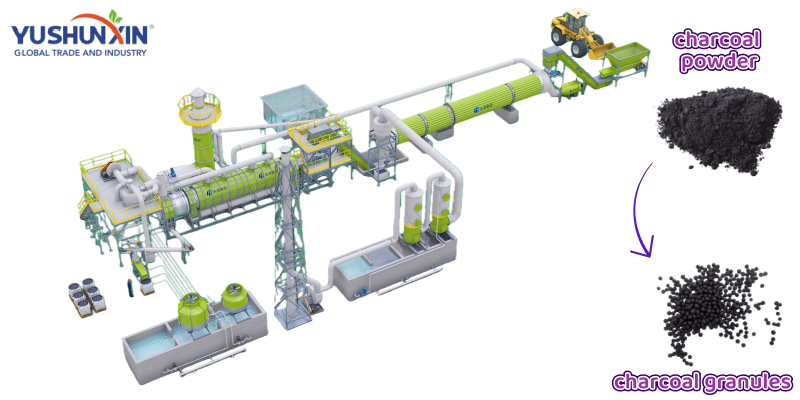
The briquette product in a carbon credit market adds a second revenue line, and that line reduces the dependence on the credit price. You test the binder and the press with the local char, because the same recipe behaves differently with a different residue. The briquette then reaches the household or the industrial market. The plant earns from the product and from the unit.
How does the company test the opportunity?
A letter of intent from one credit buyer and one product buyer demonstrates that the project has both markets. You register the process with the chosen standard, and that registration shows the units that the plant can issue. The financial model then uses a conservative price and a realistic yield. The board approves the investment with a documented margin.
Conclusion for industrial companies and project developers
The carbon credit opportunity is real when the process cost stays below the credit price and when the product finds a buyer. A carbon credit market advisors team that supplies the registration plan, the cost model and the product study helps the company present a case that the buyer accepts. The demand for removal units keeps rising, and a plant with a verified process captures that demand. If your team needs a reference for the line configuration and the market scope, you can learn more about https://www.char-molder.com/product/continuous-carbonization-furnace/ before the next investment review. The same registration file also supports the annual disclosure of the company, and that document shows the buyer that the removal units come from a process with a verified monitoring plan and a stable product. The finance team then prices the next contract with evidence.