Public bodies that finance a carbon project answer to two audiences, because the treasurer examines the cash flow while the council examines the local benefit, and you, as a programme manager or as a development finance analyst, present both results in one document. A biochar carbon credit project combines carbon removal revenue with agricultural residue management and rural employment. The biochar carbon credit project therefore delivers a financial return and a measurable social return from the same investment.
Which indicators describe the financial return?
The financial set includes the capital cost, the operating budget, the revenue from biochar sales and the revenue from verified removal units. Your analyst adds the avoided disposal cost of the agricultural residue, because that saving belongs to the public budget. The internal rate of return and the payback period complete the set. A public carbon credit project returns table then shows the result under three price scenarios.
Which indicators describe the social return?
The social set includes the tonnes of residue diverted from open burning, the number of technical posts created and the training hours delivered to local operators. Soil improvement on nearby farmland appears as a secondary benefit when the project supplies biochar to growers. Carbon removal itself represents a global benefit, and the registration document records that result. Your programme office reports these figures alongside the financial table, and the council sees the complete picture.
How does the technology choice influence both returns?
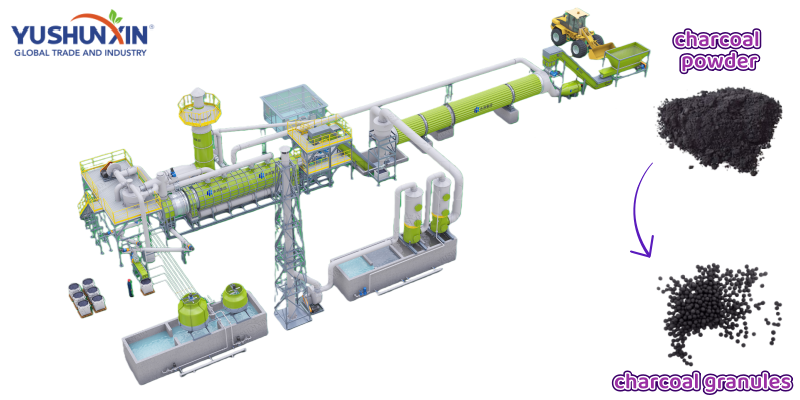
A continuous carbonization line with gas recovery reduces the operating cost, and that reduction improves the financial return without new revenue. The same line produces a stable biochar that qualifies for carbon removal registration, and that qualification supports the global benefit. A biochar carbon removal integration solution documents the process data that the registry requires, and that documentation protects the value of each credit. Your engineers keep one data set for the operating report and for the registry.
How do you present the comparison to decision makers?
The presentation places the financial indicators and the social indicators side by side, because a combined score hides the trade offs. A carbon credit project social return assessment then explains how each assumption affects the two sets of results. The council approves the project when both cases reach the stated minimum, and the approval minute records that condition.
Conclusion for programme managers and development finance analysts
A public carbon project earns support when the financial result and the local benefit remain visible and verifiable. A carbon credit project development team that supplies process data, monitoring plans and registration support strengthens both annexes of the funding file. Carbon dioxide removal also carries a long lived storage benefit, and that durability supports the climate case of the programme. If your office needs a reference for the technical scope and the revenue structure, you can learn more about https://www.ysxcharpro.com/whats-the-price-for-a-continuous-carbonization-furnace/ before the next budget session. A public programme that publishes both indicator sets also builds trust with the community, because residents see how the plant affects the local economy and the soil.