A biomass power plant lives inside an emission envelope, and you, as a project investor or as an industrial plant owner, measure that envelope through the permit conditions that define fuel quality, flue gas treatment and operating hours. The biomass power generation plant emission standards decide which gas cleaning equipment the site installs and how much of the year the plant may run. The biomass power generation plant emission standards therefore influence both the capital cost and the revenue that the asset generates.
Which emission limits shape the plant design?
Particulate limits define the bag filter area and the stack height that the site requires. Nitrogen oxide limits define the combustion control strategy and, in some regions, the selective reduction equipment. Carbon monoxide limits define the residence time and the temperature window inside the combustion chamber. Your engineering team reads the local regulation before it fixes the boiler specification, because a late discovery of a stricter limit forces a redesign of the flue gas train.
How does the fuel supply affect compliance?
Agricultural residue, rice husk, palm shell and wood waste carry different ash and moisture content, and those properties change the flue gas composition. A rice husk pellet line for biomass power shows how densification standardises the fuel, and that standardisation improves both combustion stability and emission control. Your procurement team signs fuel contracts with defined moisture and ash limits, and those limits protect the performance guarantee of the boiler. Storage design also matters, because wet fuel raises the emission of unburned carbon.
Which equipment turns compliance into operating value?
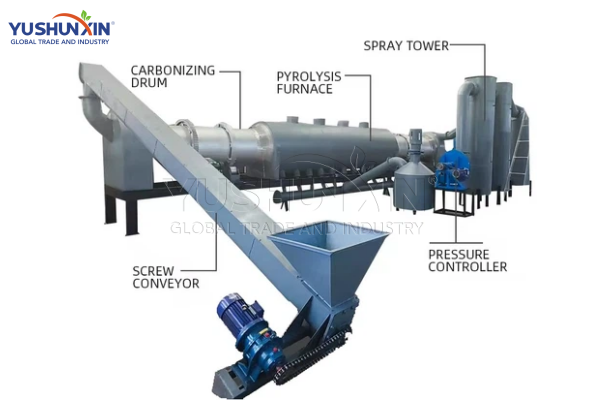
A sealed fuel feeding system, a staged combustion chamber, a bag filter house, an ash handling system and a continuous monitoring unit form the compliance package of the plant. The biomass power plant compliance planning review documents the air volume, the filter load and the monitoring points for the authority. A carbonization gas power generation emission control concept also recovers heat from the process, and that recovery reduces the auxiliary fuel demand of the site. Equipment with data logging produces the records that an inspection requires.
How does compliance change the financial value of the asset?
Compliance determines the operating hours that the plant may run, and those hours translate into electricity sales. Monitoring, filter replacement and ash disposal add operating costs, and your finance team includes them in the levelised cost calculation. A compliant plant also attracts lenders and offtakers who value a documented environmental performance, and that preference lowers the cost of capital. The owner then compares two scenarios, one with a complete flue gas package and one with a delayed upgrade, and the comparison usually favours the complete design.
Conclusion for project investors and plant owners
Emission compliance is part of the investment case, not an administrative detail, because it sets the operating hours and the annual revenue of the plant. A biomass power project compliance partner that supplies process data, monitoring plans and commissioning support keeps the plant inside its permit from the first month. Cogeneration also raises the efficiency of the site, and that efficiency supports both the environmental result and the margin. If your team needs a reference for the emission package and the fuel specification, you can learn more about https://www.ysxcharpro.com/how-does-the-continuous-carbonization-furnaces-work/ before the permit application.