Category: Waste Heat Recovery
-

Which engineering details decide the processing capacity of a waste heat recovery system?
The processing capacity of a waste heat recovery system depends on gas flow, temperature, fouling, pressure drop and the load profile of the host carbonization plant. The waste heat recovery system plant capacity starts with a measured heat balance rather than the rated area of a heat exchanger. The recovery loop must capture useful energy…
-
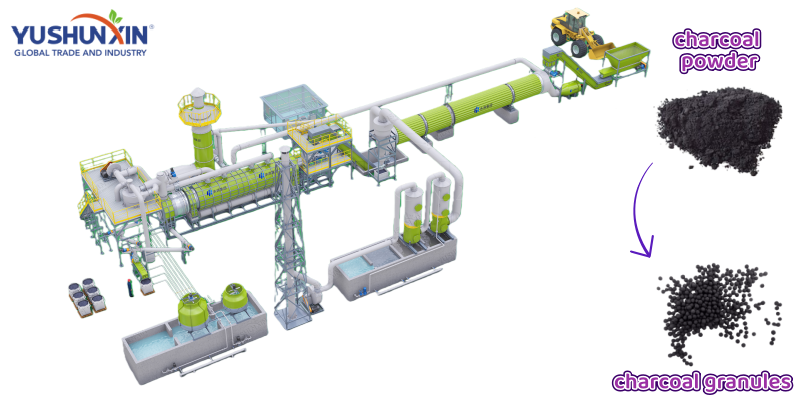
What ROI can project investors expect from a waste heat recovery system?
A waste heat recovery system roi analysis compares the exchanger, the ducting and the control loop with the fuel that the plant avoids, and the result depends on the energy efficiency that the unit reaches in operation. You, as a project investor or as a plant engineering manager, examine the waste heat recovery system roi…
-
Which processing capacity makes a waste heat recovery system suitable for a regional waste treatment programme?
A waste heat recovery system capacity decides how much of the energy that the carbonization process releases returns to the dryer, to the steam header or to a power module, and a regional waste treatment programme therefore sizes that system against the tonnage that the area delivers. You, as a programme manager or as a…
-
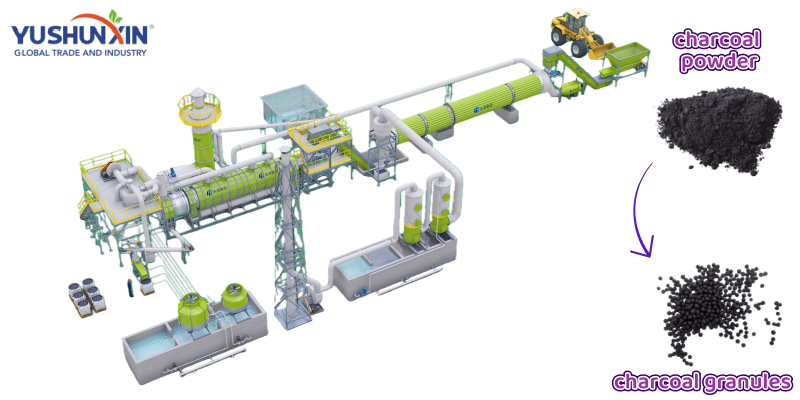
How does process design affect the performance of a waste heat recovery system?
A heat recovery loop performs well when the process design accounts for the gas temperature, the dust load and the pressure drop of the host plant, and you, as a plant manager or as an engineering contractor, fix those parameters before selecting the exchanger. The waste heat recovery system process then returns thermal energy to…
-
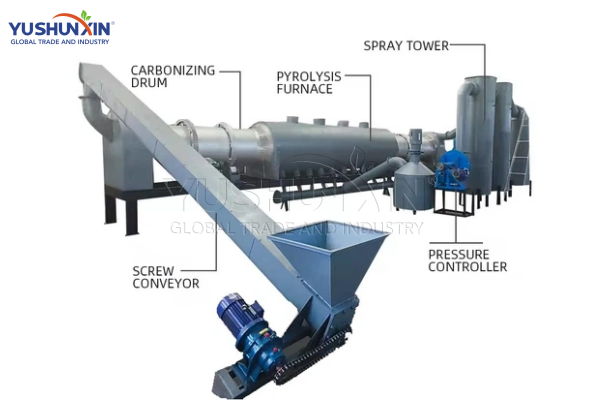
Which procurement model fits a turnkey waste heat recovery project?
Procurement decides how quickly a heat recovery loop starts saving fuel, and you, as a project investor or as an engineering manager, choose the contract model that matches your team and your risk appetite. A turnkey waste heat recovery project procurement model assigns design, supply, installation and commissioning to one supplier, so the interface risk…